
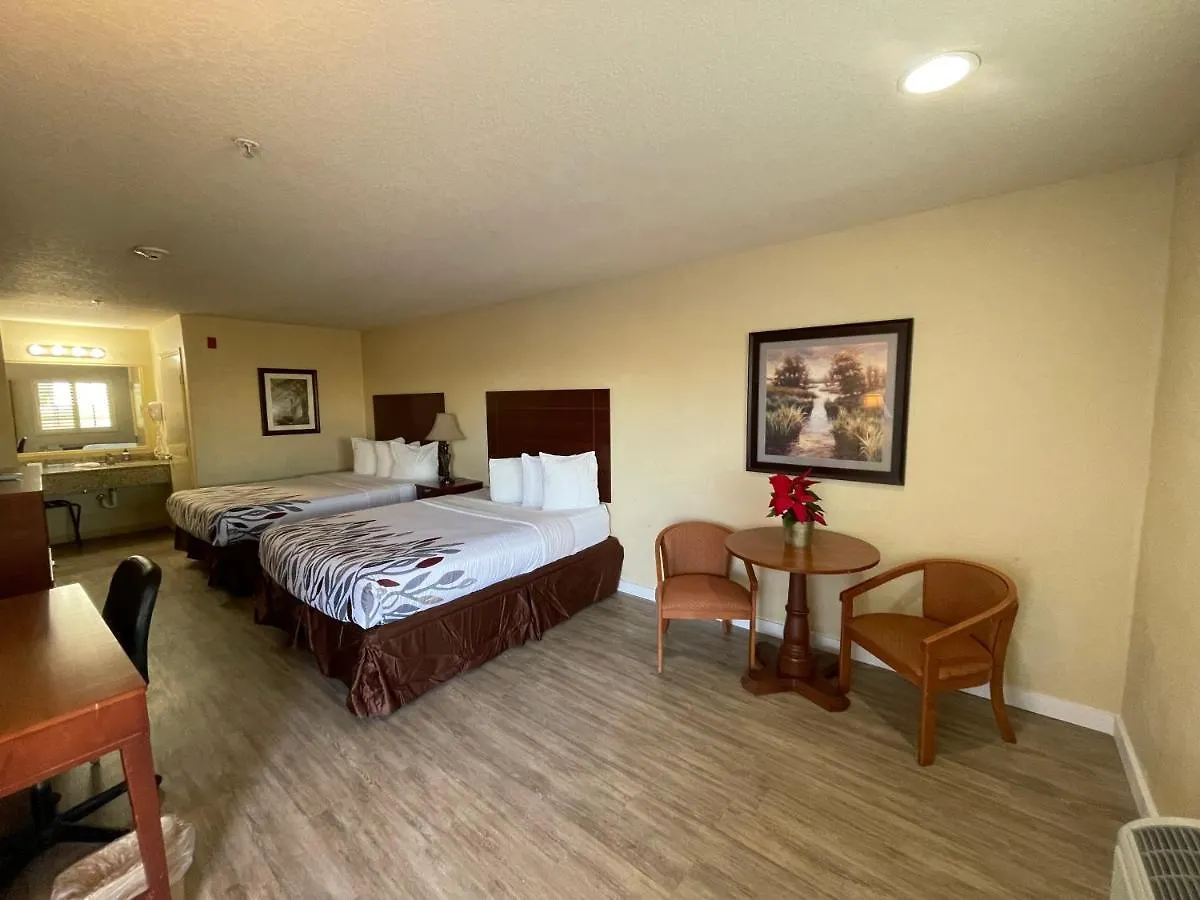
Working remotely from the United States gives you access to one of the most diverse travel landscapes in the world - from Gulf Coast plains in Texas to Florida's university towns and the academic corridors of North Carolina - all with reliable infrastructure built around connectivity and productivity. Whether you need a quiet base near a regional airport or a walkable downtown with restaurants and meeting spaces, the U.S. hotel market has purpose-built options that go well beyond a desk and an outlet. This guide breaks down five workation-ready properties across four states, comparing real amenities, locations, and booking trade-offs so you can choose based on how you actually work, not just where you want to be.
What It's Like Staying in the United States for a Workation
The United States offers a uniquely scalable workation experience - you can station yourself in a walkable mid-size city like Chapel Hill or DeLand and access coworking-adjacent amenities, fast Wi-Fi, and daily routines without the chaos of a major metro. Free parking is standard at most regional U.S. hotels, which matters if you plan to rent a car and explore surrounding areas between work blocks. Crowds and pricing vary dramatically by region: Florida destinations see surges around winter and spring break, while Texas and Missouri properties stay quieter year-round, making them easier to book on short notice.
University towns like Gainesville and Chapel Hill draw a steady flow of visitors even outside tourist season, which means restaurant and service infrastructure stays consistent - a practical advantage for anyone on an extended remote stay.
Pros:
- Free Wi-Fi and free parking are nearly universal in U.S. regional hotels, reducing daily overhead costs significantly
- Wide availability of on-site amenities like fitness centers, pools, and business centers in mid-scale properties
- Strong transport infrastructure with regional airports close to most workation-friendly cities in this guide
Cons:
- Car dependency is real in most non-urban U.S. locations - walkability scores vary widely between cities
- Hotel breakfast quality can be inconsistent; continental options at budget properties often lack substance for a full workday
- Peak season pricing in Florida can spike significantly, reducing value for longer remote stays
Why Choose a Workation Hotel in the United States
Workation-oriented hotels in the U.S. tend to sit in the 3- to 4-star range, where you get structured amenities - fitness centers, business centers, on-site dining - without paying urban luxury rates. Properties in university towns and small cities typically run 20-40% cheaper than equivalent hotels in New York, Miami, or Los Angeles, while still offering comparable room infrastructure. Most workation travelers in this category care about room ergonomics: desk space, blackout curtains, reliable power access, and fast in-room Wi-Fi rather than lobby aesthetics.
The key trade-off in U.S. regional workation hotels is that walkability is often limited - you may need a car to reach grocery stores or coworking alternatives - but on-site amenities compensate by reducing the need to leave the property at all.
Pros:
- Mid-scale U.S. hotels regularly include flat-screen TVs, Keurig machines, mini-fridges, and desks as standard room features
- On-site bars, restaurants, and business centers allow you to complete a full workday without leaving the property
- Outdoor pools and fitness centers support the work-life balance element that defines a true workation
Cons:
- Properties outside city cores often lack walkable dining options, making car rental near-mandatory
- Shared lounges and lobby areas can be noisy during check-in peaks, disrupting afternoon work sessions
- Family rooms at budget-tier properties may sacrifice desk ergonomics for sleeping capacity
Practical Booking & Area Strategy for Workations in the United States
For a workation focused on productivity, your city choice matters more than the hotel brand. Chapel Hill, NC and DeLand, FL both offer a compact downtown environment where you can walk to coffee shops, restaurants, and green space between calls - a meaningful advantage over isolated highway-adjacent properties. Gainesville, FL anchors itself around the University of Florida campus, meaning fast food, medical facilities, and shopping are within a short drive at any time of year. Kenedy, TX and Dexter, MO are best suited for travelers who want near-total isolation, low nightly rates, and minimal distraction - with regional airports within around 50 miles providing an exit route when needed.
For transport, Raleigh-Durham International Airport is around 28 km from Chapel Hill, and Daytona Beach International Airport sits around 32 km from DeLand - both manageable for weekly or bi-weekly travel back home. Book Florida properties at least 6 weeks ahead during January-March, when snowbird demand compresses availability and pushes nightly rates up across the state. Texas and Missouri properties rarely face the same pressure and can often be secured last-minute without a price penalty.
Best Value Workation Stays
These properties deliver the core workation infrastructure - reliable Wi-Fi, in-room desk, breakfast, and outdoor amenities - at rates that make extended stays financially viable in smaller U.S. cities and towns.
-
1. Kenedy Inn And Suites
Show on map


 Check-infrom 15:00 until 23:59Check-outuntil 11:00
Just a few rooms left at the best rate!
fromUS$ 46
-
2. Dexter Inn
Show on map


 Check-infrom 14:00 until 14:30Check-outuntil 11:00
Just a few rooms left at the best rate!
fromUS$ 89
Best Premium Workation Options
These three properties step up with structured amenities - restaurants, bars, fitness centers, and business centers - that support a complete remote work lifestyle without needing to leave the hotel for most daily needs.
-
3. Courtyard By Marriott Deland Historic Downtown
Show on map


 Check-infrom 16:00 until 23:59Check-outuntil 11:00
Hurry – almost gone at this price!
fromUS$ 130
-
4. Doubletree By Hilton Gainesville
Show on map


 Check-infrom 16:00 until 23:59Check-outuntil 11:00
Hurry – almost gone at this price!
fromUS$ 116
-
5. Ac Hotel By Marriott Chapel Hill Downtown
Show on map


 Check-infrom 15:00 until 23:59Check-outuntil 12:00
Rooms filling fast – secure the best rate!
fromUS$ 215
Smart Travel & Timing Advice for Workations in the United States
Timing your workation around U.S. seasonal patterns can make a material difference in both cost and experience. Florida properties see their highest demand from January through March, when northern U.S. travelers flood the state - nightly rates at DeLand and Gainesville hotels can climb sharply during this window, and availability at well-reviewed properties disappears weeks in advance. If you're planning a Florida workation, book at least 6 weeks ahead for winter stays. North Carolina's Chapel Hill peaks during university event weekends, graduation in May, and college football season in the fall - avoid those windows unless you book early.
Texas and Missouri properties at the lower end of this list rarely face seasonal pressure, making them viable for last-minute bookings even in peak months. A workation stay of around 7 nights gives you enough time to establish a productive daily rhythm without the accommodation fatigue that comes from shorter stays. Mid-week check-ins (Tuesday or Wednesday) consistently yield better room selection and occasionally lower rates at Marriott-branded properties like the Courtyard DeLand and AC Hotel Chapel Hill, which use dynamic pricing models that drop midweek when business travel softens.
Frequently Asked Questions
Which of these workation hotels has the best value for money?
Kenedy Inn and Suites in Texas and Dexter Inn in Missouri are the most affordable options in this guide, with included breakfast, free Wi-Fi, and free parking keeping daily costs low. For travelers who need more infrastructure - restaurant, bar, fitness center - the Courtyard by Marriott DeLand offers the best mid-tier value in Florida.
What is the best city in the U.S. for a workation from this list?
Chapel Hill, NC offers the strongest workation environment: a walkable downtown, proximity to Raleigh-Durham Airport, and the AC Hotel by Marriott's 4-star business amenities. DeLand, FL is a strong second for those wanting a quieter Florida base with downtown walkability and lower costs than Orlando or Miami.
When should I book workation hotels in Florida?
Book at least 6 weeks in advance for January-March stays. Florida's snowbird season compresses availability and pushes nightly rates up across DeLand and Gainesville. Outside that window, especially April-May and September-November, you'll find better rates and easier last-minute availability.
Do these hotels have reliable Wi-Fi for remote work?
All five hotels in this guide include free Wi-Fi as a standard amenity. The Marriott-branded properties - Courtyard DeLand, AC Hotel Chapel Hill, and DoubleTree Gainesville - are most likely to offer consistently fast speeds due to brand infrastructure standards. Budget properties like Kenedy Inn and Dexter Inn include free Wi-Fi but may have variable performance in areas with limited regional bandwidth.
How many nights make sense for a workation in the United States?
Around 7 nights is the optimal minimum for establishing a productive remote work routine. Anything shorter starts to feel like a vacation with a laptop, while stays beyond 14 nights may benefit from monthly or extended-stay rate negotiations, particularly at Hilton and Marriott-affiliated properties.
Which hotel is best for workation travelers who fly frequently?
AC Hotel by Marriott Chapel Hill Downtown is the strongest option for weekly commuters - Raleigh-Durham International Airport is 28 km away, private parking is available for car storage, and 24-hour front desk with luggage storage removes the friction of early departures and late arrivals.
Are these hotels suitable for video calls and virtual meetings?
Yes - all properties include private rooms with desks and in-room Wi-Fi. The DoubleTree Gainesville and AC Hotel Chapel Hill additionally offer business centers if you need a more formal meeting setup with printing or larger screens. For guaranteed quiet during calls, mid-week mornings are consistently the least disruptive at all five properties.


